

The Importance of Board Games in Child Development

Updated: Mar 2
Playing board games is not just about having fun; it is a vital part of childhood development. These games provide opportunities for children to learn important lessons about life, resilience, and social interaction.
The Value of Losing
Understanding why losing matters is crucial for childhood development. Losing fosters resilience, patience, and coping mechanisms for disappointment. These lessons extend beyond games; they apply to school, friendships, and future jobs. Studies show that children who learn to cope with losing early on are more likely to keep trying at school, leading to better grades.
By allowing your child to experience losing at home, you help them build a strong set of skills for handling life’s challenges.
Step 1: Normalize Losing
Start by making losing a normal part of any game. Share your own experiences. Let them know that everyone loses sometimes, even adults.
For example, you might say, “Just last week, I lost a game with my friends. It was tough, but I learned that I need to keep going because I won the next time!” This approach helps your child realize that losing is common and not something to be embarrassed about.
Step 2: Focus on the Fun
When you play games, highlight the fun over the final score. Celebrate laughter, teamwork, and creativity that emerge during gameplay.
Say something like, “I loved how we all strategized together to solve that puzzle!” This shift in focus helps your child embrace the game itself and makes it easier for them to handle losing when it happens.

Step 3: Teach Sportsmanship
Encouraging good sportsmanship is essential. Show your child how to congratulate the winner and appreciate the game, no matter the outcome.
Model this behavior by saying, “Nice job! You played really well!” Such comments reinforce positivity and help your child understand that both winning and losing deserve respect.
Step 4: Set Realistic Expectations
Help your child create realistic expectations before starting a game. Explain that while winning is great, it is not the only goal. Discuss skills they can develop through play, such as strategy and teamwork.
You might say, “Let’s focus on doing our best and having fun, rather than just winning.” This mindset helps them value the process as much as the outcome.
Step 5: Reflect on the Experience
After playing, take some time to talk about the experience together. Ask your child how they felt about winning or losing and what they learned.
Questions like, “What was your favorite part of the game?” or “How did it feel when you lost?” can open a dialogue. This discussion encourages emotional expression and helps solidify the lessons learned during play.
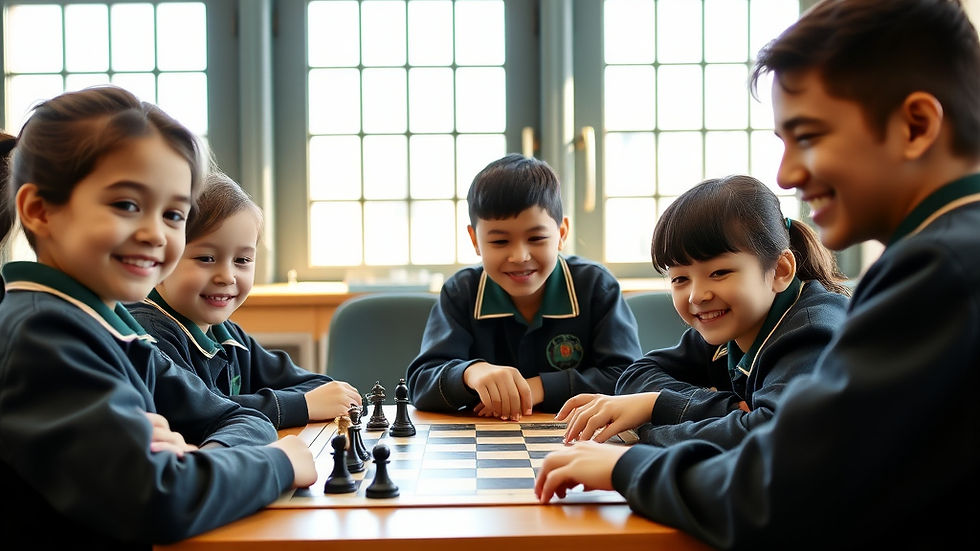
Five Life Skills Learned Through Games
Now that we’ve discussed the steps to help your child learn to handle winning and losing, let’s explore five essential life skills that board games can teach:
1. Resilience
Games often involve setbacks, and learning to bounce back is a crucial skill. Children discover that failure is not the end but an opportunity to try again. For example, a child who loses might re-strategize for the next game, cultivating resilience.
2. Critical Thinking
Board games require strategic thinking. Skills learned through these games help children make informed decisions and solve problems in school and everyday life.
3. Teamwork
Cooperative games teach children how to work together towards a common goal. This experience builds communication skills and emphasizes the importance of teamwork with their friends.
4. Patience
Games often require players to wait for their turn and manage unexpected outcomes. This experience helps kids develop patience, which is essential in many areas of life, from school to friendships.
5. Emotional Intelligence
Playing games allows children to experience different emotions, from joy to disappointment. Navigating these feelings builds emotional intelligence, crucial for personal and social success.
Embracing Growth Through Play
Avoiding board games out of fear that your child can’t handle losing might seem like an easy fix, but these experiences are opportunities for growth. By normalizing losing, focusing on fun, teaching sportsmanship, setting realistic expectations, and fostering reflection, you can guide your child toward developing critical life skills.
Board games are more than mere entertainment; they are tools for learning resilience, critical thinking, teamwork, patience, and emotional intelligence. So, during your next game night, remember that every move you make is an opportunity for growth.
At enjoy achieving, we mainly teach through games. Does this sound like something your little learner would enjoy?
Until then, Enjoy Achieving!
Miss Lee


Comments